Secure Your House: The Critical Nature of Choosing the Right Roofing Company
Choosing the right roofing contractor is essential for preserving home safety and integrity. A properly vetted contractor can prevent costly repairs down the road. Nevertheless, many homeowners overlook the critical nature of this decision. Understanding the key factors associated with choosing a roofing service can make all the difference. What should one consider to ensure quality workmanship and reliable service? The answers may astonish you.
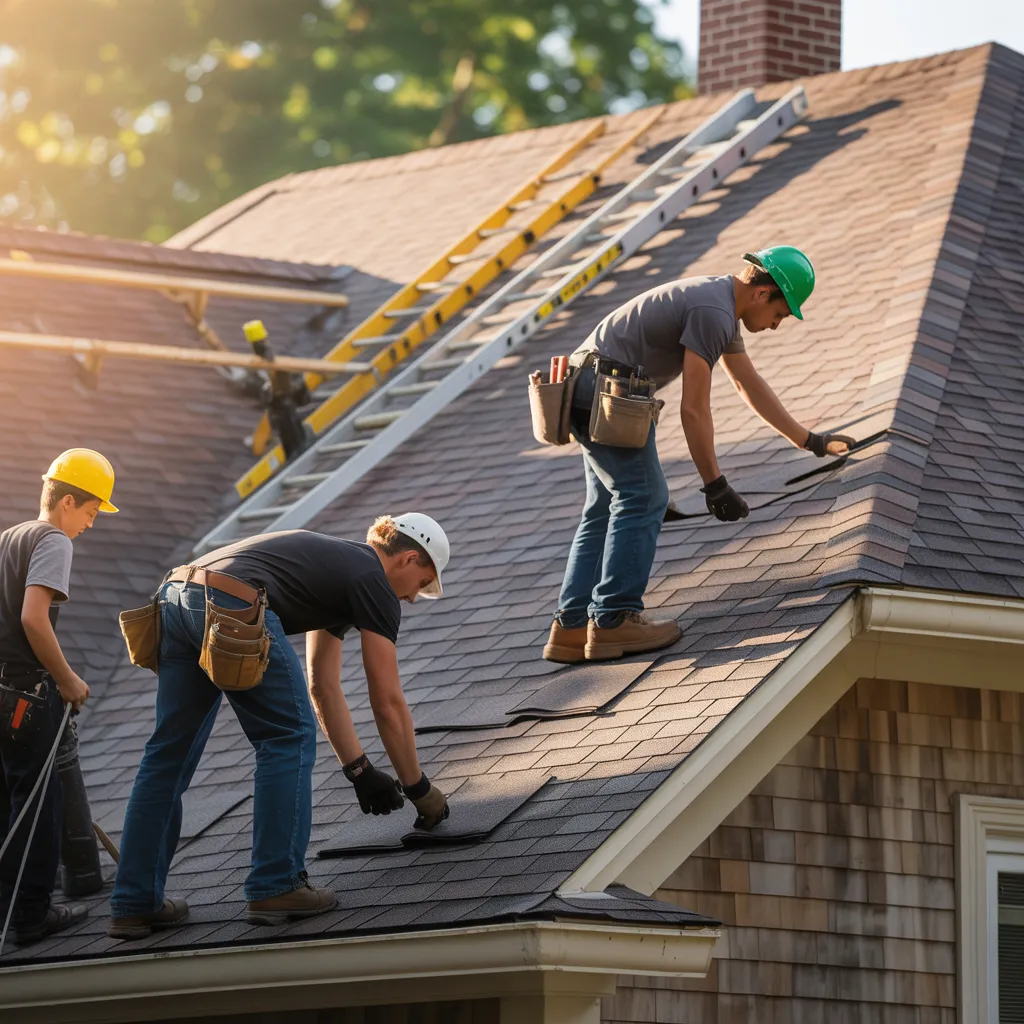
The Importance of Your Roof for Home Protection
Though commonly disregarded, a roof works as the main barrier between a home and the elements, making it critical for protecting the structure and its residents. A meticulously maintained roof shields from rain, snow, wind, and extreme temperatures, stopping potential damage that could undermine the integrity of the home. Moreover, it helps manage indoor climate, contributing to energy efficiency and comfort.
The roof also plays an important role in preventing mold and mildew development, which can result in health problems and costly repairs. Additionally, a sturdy roofing system enhances the property's overall visual appeal and market value. Homeowners should recognize that neglecting roof maintenance can result in considerable repair expenses down the line, along with dangers to personal safety. As a result, comprehending the importance of a quality roof is vital for enduring home protection and guaranteeing a secure living environment for all residents.
Questions to Ask When Hiring a Roofing Contractor?
In selecting a roofing contractor, what crucial questions should homeowners examine to ensure they make an informed decision? One critical inquiry is whether the contractor holds the necessary licenses and insurance. This establishes compliance with local codes and guards against potential liabilities. Homeowners should also ask about the contractor's expertise and capability in certain roofing materials and styles, as this can substantially impact the quality of work. Additionally, it is necessary to request recommendations from past clients to gauge satisfaction levels and reliability. Homeowners should ask about warranties on both materials and workmanship, as these can give peace of mind. Finally, discussing the timeline for project completion and payment schedules can help determine expectations. By examining these questions, homeowners can better evaluate the qualifications of potential roofing contractors and make a more informed choice for their roofing needs.
Vital Features of a Reliable Roofing Contractor
When picking a roofing contractor, specific essential traits can demonstrate reliability. These include checking licenses and insurance, as well as reviewing the contractor's experience and expertise in the field. Confirming these factors can help homeowners make informed decisions and secure quality work.
License And Insurance Confirmation
Prior to employing a roofing contractor, confirming their licensing and insurance is crucial to ensure a dependable partnership. A licensed contractor shows adherence to local regulations and industry standards, confirming that they hold the required skills and knowledge for the job. Insurance is just as crucial; it shields homeowners from potential liabilities that may occur during the roofing process. If an accident happens or damage is done to the property, having a contractor with proper insurance coverage guarantees that the homeowner will not carry the financial burden. As a result, homeowners should request documentation and validate the authenticity of the contractor's licenses and insurance policies. This verification step is significant in creating trust and safeguarding the investment take action in their roofing project.
Knowledge And Expertise Levels
While proper licensing and insurance coverage are vital, the experience and expertise levels of a roofing contractor are equally important indicators of reliability. A contractor with extensive experience is better prepared to address unexpected challenges that may occur during a roofing project. Their knowledge of different roofing materials and techniques guarantees they can deliver excellent craftsmanship tailored to particular requirements. Additionally, a reputable contractor usually maintains a portfolio showcasing completed projects, which offers insight into their capabilities. Professional knowledge is demonstrated through their understanding of local building codes and regulations, ensuring compliance throughout the installation process. In the end, selecting a contractor with a proven track record in experience and expertise greatly enhances the likelihood of a successful roofing project.
Hazards of Employing an Untrained Roofer
Engaging an unqualified roofer can lead to significant risks and high-cost consequences for homeowners. Inadequate training or experience may lead to substandard workmanship, compromising the roof's integrity. This can result in leaks, structural damage, and in the end mold growth, which can have serious health implications for residents. Moreover, unqualified roofers may miss critical permits and safety regulations, leaving homeowners to legal risks.
Moreover, the absence of proper insurance coverage may leave homeowners financially responsible for any accidents or injuries that happen during the roofing project. Untrained contractors are also rarely provide warranties or guarantees, rendering homeowners exposed to additional repair costs in the future. In summary, the risks of hiring an unlicensed roofer extend beyond immediate financial concerns, affecting the long-term safety and value of the home. Homeowners should prioritize choosing a qualified roofing professional to reduce these risks.
How to Check a Roofing Contractor's Credentials
Verifying a roofing company's credentials is essential for ensuring quality service. This process encompasses confirming their license, reviewing insurance coverage, and examining their experience and portfolio. Each of these steps can assist homeowners make informed decisions and avoid potential issues.
Credential Verification Process
A comprehensive license verification process is necessary for guaranteeing that a roofing company operates legally and follows industry standards. Homeowners should start by checking the licensing requirements specific to their state or region, as these can vary significantly. This often involves accessing the appropriate state or local regulatory body's website, where a list of licensed contractors can typically be found. Additionally, homeowners should ask for and verify the roofing company's license number directly, making sure it remains active and in good standing. It is recommended to inquire about any past violations or complaints linked to the company's licensing. This proactive approach not only protects the homeowner's investment but also promotes accountability within the roofing industry.
Insurance Benefits Verification
Prior to selecting a roofing company, it is crucial to verify that they maintain adequate insurance coverage, as this shields both the homeowner and the workers involved. Homeowners should request proof of insurance, including liability and workers' compensation coverage. This documentation confirms that, in the event of an accident or damage, the homeowner is not held financially responsible. It is advisable to contact the insurance provider directly to validate the policy's validity and coverage limits. Additionally, homeowners should be wary of companies that are reluctant to provide this information, as it may indicate potential risks. By thoroughly verifying a roofing company's insurance credentials, homeowners can secure their investment and guarantee a smoother roofing project.
Portfolio and Experience Assessment
Experience plays an essential role in selecting a reliable roofing company. Homeowners should emphasize companies with substantial industry experience, as this often correlates with quality workmanship and expertise. Reviewing a company's portfolio is vital; it provides visibility of their previous projects and the range of roofing styles they have handled. A well-documented portfolio demonstrates successful installations and repairs, reflecting the company's capabilities. Additionally, assessing customer testimonials and case studies can offer valuable perspectives on client satisfaction and the company's reliability. Homeowners are recommended to ask for references and verify the credentials of the roofing company. This detailed evaluation process assures that the chosen contractor possesses the necessary skills and experience to protect one's home effectively.
Benefits of Investing in Quality Roofing Services
Putting money into quality roofing services can greatly enhance the durability and performance of a residence's roof. Homeowners who choose experienced professionals benefit from superior materials and craftsmanship, resulting in roofs that can endure harsh weather conditions. This investment not only provides immediate protection but also minimizes the likelihood of costly repairs in the future.
Furthermore, well-established roofing firms often supply warranties and guarantees, guaranteeing peace of mind for homeowners. These assurances indicate the contractor's confidence in their work and products. Quality roofing services also feature thorough inspections, which can detect underlying issues before they expand, preserving the overall integrity of the home.
Additionally, a expertly installed roof can boost energy efficiency, leading to lower utility bills. All in all, the benefits of investing in quality roofing services reach beyond mere aesthetics, contributing to the home's value and safety for years to come.
Your Professional Roofing Process
How does a homeowner navigate the roofing process from start to finish? Initially, they should complete comprehensive research to discover trustworthy roofing contractors. This includes checking testimonials, verifying credentials, and gathering referrals. Subsequently, homeowners should schedule consultations with numerous contractors to discuss their individual needs and acquire estimates.
Upon contractor selection, the homeowner examines and executes a detailed contract detailing the project scope, materials, and timeline. Prior to installation, the contractor may complete an inspection and get essential permits.
Throughout the roofing process, homeowners should maintain open communication with the contractor, handling any concerns that arise. After completion, it's vital to conduct a final walk-through to verify all work meets expectations. Finally, homeowners should acquire warranties and maintenance guidelines to protect their investment. By following these steps, homeowners can ensure a smooth and successful roofing experience.
Frequently Asked Questions
What's the Typical Duration for Completing a Roofing Project?
A typical roofing project takes between just a few days to about two weeks to wrap up, influenced by factors like the overall roof dimensions, atmospheric conditions, and the sophistication of the installation process.
What Warranties Should I Expect From a Roofing Company?
Usually, a reliable roofing company delivers warranties that cover materials for 20-50 years and workmanship for five to ten years. Homeowners should assess these warranties to secure adequate protection against defects and potential issues.
Are Roofing Repairs or Installations Affected by Seasonal Changes?
Indeed, seasonal factors substantially impact roofing repair and installation projects. Weather patterns, temperature variations, and precipitation levels can impact material performance and worker safety, making spring and fall the optimal seasons for roofing projects.
What Should I Do About Roofing Emergencies or Leaks?
In the event of roofing emergencies or leaks, the first step is to contain the problem by employing buckets or tarps. Afterward, contacting a professional roofing company quickly is critical for thorough assessment and repair to prevent further damage.
What Payment Methods Do Roofing Companies Typically Offer?
Professional roofing firms commonly offer several payment alternatives, including credit cards, cash, checks, and financing plans. Many also offer payment schedules or loans to meet clients' budgetary needs, guaranteeing flexibility for the roofing process.